


Home / Blog
August 20, 2026
6 min read
Common Cuts, Burns, Rashes and Allergic Reactions: What to Do First
Key Takeaways
- For minor cuts, clean the wound, apply pressure if it is bleeding, and cover it. Cool minor burns with running water, and use a cold compress for mild, localized rashes or allergic skin reactions.
- Trouble breathing, swelling of the tongue or throat, faintness, or blue or gray skin may indicate anaphylaxis. If anaphylaxis is suspected, use a prescribed epinephrine auto-injector as directed and call 911 immediately.
- Increasing pain, spreading redness, fever, blistering, drainage, or rapidly worsening symptoms may mean basic first aid is no longer enough. Seek professional medical guidance rather than trying to diagnose or treat the problem yourself.
Cuts and Scrapes: What to Do First
For a minor cut or scrape, the first priorities are to clean the area, control the bleeding, and protect the wound while it heals.
- Rinse the wound gently with clean running water to remove visible dirt.
- If it is bleeding, apply steady pressure with clean gauze or a clean cloth.
- Once the bleeding has stopped, cover the area with a clean, sterile dressing.
Continue to monitor the wound as it heals. Increasing pain, warmth, swelling, drainage, or redness that spreads beyond the injured area can be signs that it needs medical assessment.
Deep wounds, heavy or uncontrolled bleeding, or injuries that appear more serious than an everyday cut should not be managed with basic home first aid alone. Severe bleeding and major trauma are outside the scope of Ouch Pouch and require immediate emergency care.
Minor Burns: What to Do First
For a minor burn, move away from the source of the heat and cool the affected area under cool running water. Do not apply ice directly to the skin, as extreme cold can cause further damage.
- Cool the burn with cool running water.
- Leave any blisters intact rather than breaking them.
- Loosely cover the area with a clean, non-stick dressing.
Avoid applying butter, oils, or other household remedies to the burn. These can trap heat or make the area more difficult to assess and clean.
A burn may need professional care if it appears deep or extensive, becomes increasingly painful or swollen, or shows signs that it is not healing normally. Burns accompanied by breathing problems or other severe symptoms require immediate medical attention. When you are unsure whether a burn is minor, a qualified healthcare professional can help determine the appropriate next step.
Rashes: What to Do First
For a mild, localized rash that may have followed contact with an irritant, stop exposure where safely possible and gently rinse the affected skin if something may still be on it. A cool compress can help soothe itching or discomfort while you monitor the area.
- Stop contact with the suspected trigger where safely possible.
- Gently wash or rinse the affected skin.
- Apply a clean, cool compress and avoid scratching.
Some over-the-counter antihistamines or hydrocortisone products may be appropriate for certain mild, itchy, or allergic skin reactions when used according to their labels or guidance from a healthcare professional. However, not every rash has the same cause, so avoid assuming that one treatment is suitable for all skin changes.
Seek medical guidance if the rash spreadsquickly, becomes painful, develops significant blistering or peeling, occurs alongside a fever, or affects the eyes, mouth, or genitals. Facial swelling, trouble breathing, or other rapidly worsening symptoms may indicate a more serious allergic reaction and require emergency care.
Allergic Reactions: What to Do First
The appropriate first response depends on whether the reaction appears mild and localized or shows signs of anaphylaxis.
For mild symptoms, such as limited itching, hives, or swelling in one area, stop exposure to the suspected trigger where safely possible. Rinse exposed skin if relevant and apply a cold compress. An antihistamine may help some mild allergic symptoms when used according to its label or existing medical guidance, but it should not be relied on to treat anaphylaxis.
Signs of a severe allergic reaction can include:
- Trouble breathing, wheezing, or difficulty speaking
- Swelling of the tongue, throat, or mouth
- Difficulty swallowing
- Dizziness, faintness, or collapse
- Blue, gray, or unusually pale skin
- Symptoms that worsen quickly or affect several parts of the body
If anaphylaxis is suspected, use a prescribed epinephrine auto-injector as directed and call 911 immediately.Emergency medical care is still necessaryeven if symptoms begin to improve after epinephrine.An antihistamine is not a substitute for epinephrine during a severe allergic reaction.
The Gap Between First Aid and What Comes Next
Basic first aid can help clean a wound, cool a burn, protect damaged skin, or temporarily ease mild symptoms. What it cannot do is confirm whether a wound is infected, identify the cause of a persistent rash, or determine which prescription medication is appropriate.
That gap matters when symptoms are worsening rather than improving. Increasing redness, pain, swelling, drainage, fever, or an escalating allergic reaction may require professional assessment instead of further home treatment.
Many standard first aid kits are designed for immediate, minor problems and contain limited support for what happens next. A more comprehensive kit may include both over-the-counter supplies and prescription options provided following clinician review. However, having a medication available does not mean it is automatically appropriate for every new symptom. Prescription treatments should only be used by the person for whom they were prescribed and according to the instructions supplied with them.
What’s in Ouch Pouch
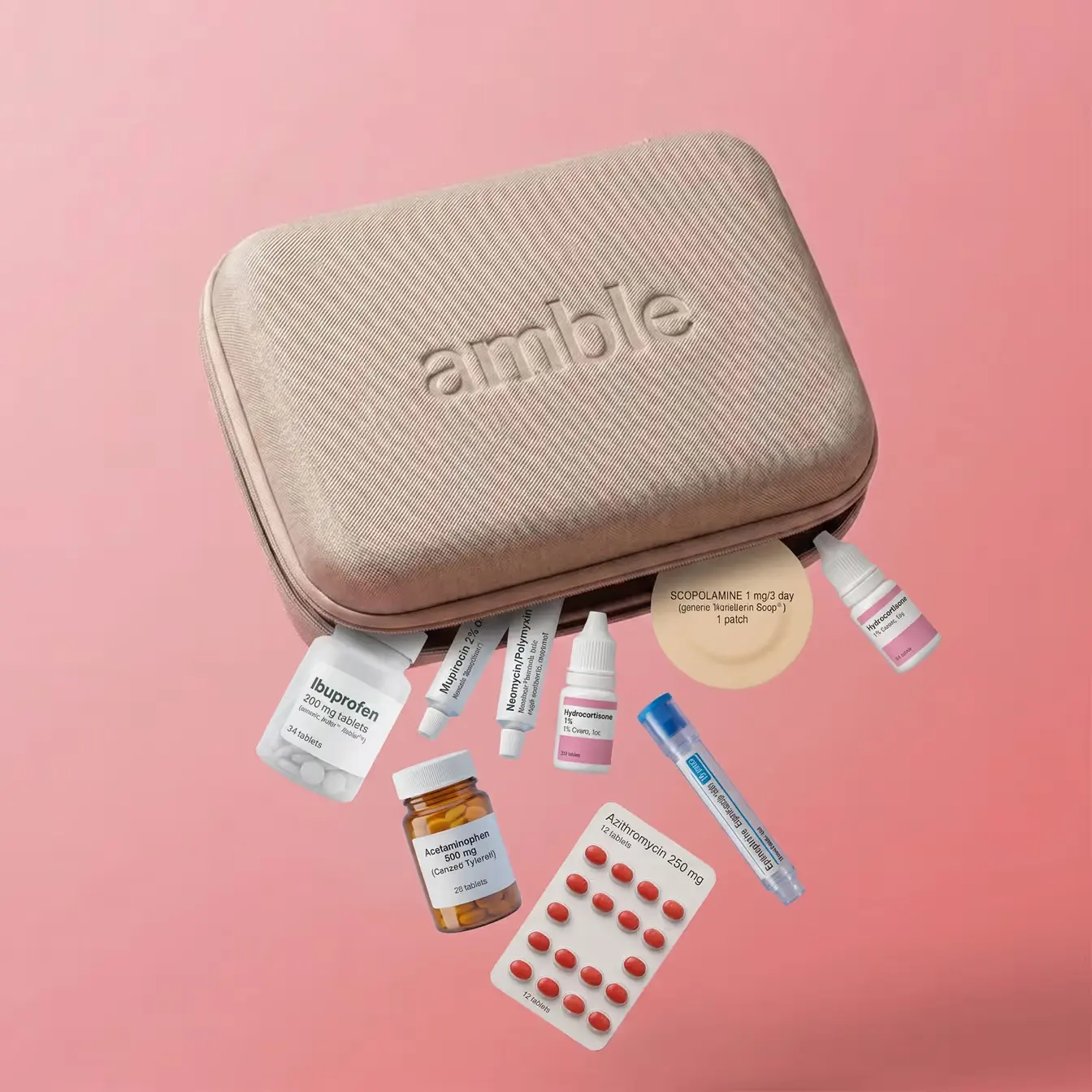
Ouch Pouchis designed to go beyond the basic dressings and over-the-counter products found in many standard first aid kits. Its contents include options related to common wounds, skin symptoms, and allergic reactions, including:
- Mupirocin
- Triple antibiotic ointment
- Hydrocortisone cream
- Diphenhydramine
- An epinephrine auto-injector
- A prescription antibiotic
These products do not all serve the same purpose, and having them available does not mean that each one is appropriate for every cut, rash, or allergic reaction. Prescription medications should only be used by the person for whom they were prescribed and according to the instructions supplied for that medication.
Access begins with an online medical assessment. A licensed healthcare provider reviews the information submitted and determines whether the prescription items are appropriate. Approval is based on individual circumstances and is not guaranteed.
Ouch Pouch is intended to support preparedness for minor-to-moderate everyday health issues. It is not designed to replace emergency services, in-person medical care, or the specialist equipment needed for major trauma.
Important Disclosures
An epinephrine auto-injector is an emergency treatment for suspected anaphylaxis, not a replacement for emergency medical care. Call 911 immediately after using prescribed epinephrine, even if symptoms begin to improve.
Prescription medications included in Ouch Pouch require evaluation and approval from a licensed healthcare provider. They should only be used by the person for whom they were prescribed and according to the instructions provided.
Ouch Pouch is intended for minor-to-moderate everyday issues. Severe bleeding, major trauma, and injuries that may require a tourniquet are outside its scope and require appropriate emergency care.
Knowing what to do first can help you respond calmly to everyday cuts, burns, rashes, and allergic reactions. Explore Ouch Pouch for a more comprehensive approach to everyday preparedness.
References
https://www.mayoclinic.org/first-aid/first-aid-cuts/basics/art-20056711
https://www.aafp.org/afp/2020/0415/p463-s1
https://www.aad.org/public/everyday-care/itchy-skin/rash/rash-101
https://www.mayoclinic.org/first-aid/first-aid-anaphylaxis/basics/art-20056608
https://www.aaaai.org/tools-for-the-public/conditions-library/allergies/epinephrine
Your questions,
answered.
What should you do if a cut starts showing signs of infection?
Increasing redness, warmth, swelling, pain, drainage, or fever may mean the wound needs medical assessment. Do not assume that a particular antibiotic is appropriate based on symptoms alone.
How can you tell when a rash or allergic reaction may be serious?
Seek urgent help for rapidly spreading symptoms, significant blistering, facial or throat swelling, trouble breathing, faintness, or blue or gray skin.
Do you still need emergency care after using an epinephrine auto-injector?
Yes. Call 911 immediately after using prescribed epinephrine. Symptoms can return or continue even when the initial reaction appears to improve.
Still have questions?


Ready to recharge at the cellular level
Licensed clinicians. Easy to follow treatments. 100% online.