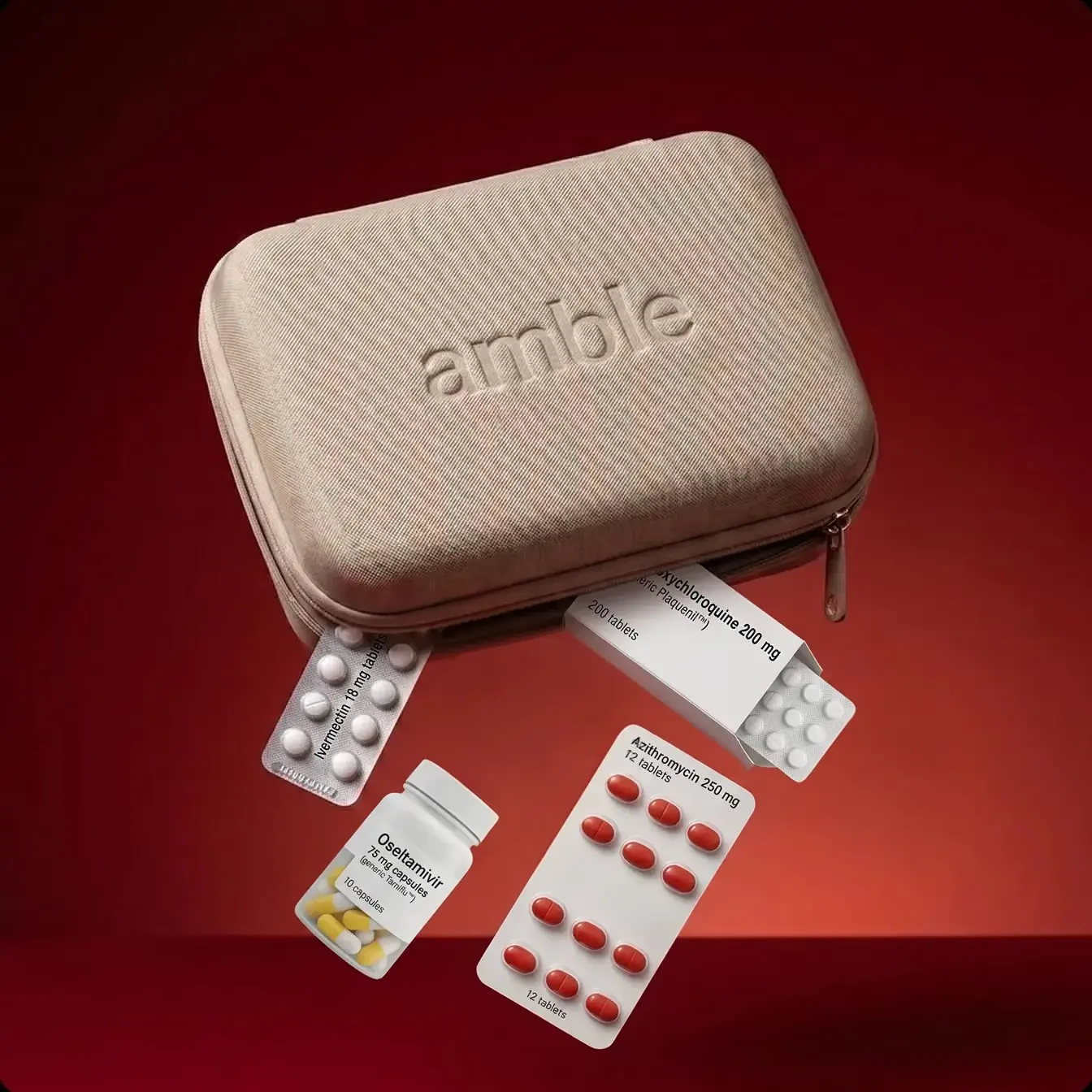
Medication Information Guide
Storage Information
Most solid oral drugs have a longer shelf life when stored at room temperature (68–77°F / 20–25°C) and shielded from UV radiation in airtight containers. The FDA's Shelf-Life Extension Program showed that many solid form medications stayed potent beyond their expiration date.
Ivermectin 4 mg
(generic Stromectol™)
Pharmacologic Category: Anthelmintic
FDA-Approved Uses:
- Onchocerciasis (River blindness caused by Onchocerca volvulus)
- Strongyloidiasis (Strongyloides stercoralis)
- Lice
- Acne rosacea
Common Off-Label Uses:
- Scabies (Sarcoptes scabiei)
- Ascariasis (Ascaris lumbricoides)
- Lymphatic filariasis
- Strongyloides stercoralis
- Loa loa (African eye worm)
- Hookworm-related cutaneous larva migrans
- Trichuriasis (Trichuris trichiura)
Typical Adult Dosing:
Scabies: 0.2 mg/kg by mouth ONCE; repeat after 1 week
Lice (refractory): 0.2–0.4 mg/kg by mouth ONCE; repeat after 1 week
Hookworm-related cutaneous larva migrans: 0.2 mg/kg by mouth DAILY for 1–2 days
Approximate Ivermectin Dose by Body Weight (based on 0.6 mg/kg using 12 mg capsules)
Body WeightDaily Dose~40 kg24 mg (2 capsules)~60 kg36 mg (3 capsules)~80 kg48 mg (4 capsules)~100 kg60 mg (5 capsules)~120 kg72 mg (6 capsules)
Pregnancy: Category C. Consult with a medical provider.
Breastfeeding: Present in breastmilk; use caution. Consult with a medical provider.
Notes: Typically dosed by body weight. While the manufacturer recommends taking on an empty stomach, bioavailability increases when taken with a high-fat meal.
Common Side Effects: Itchiness, fever, swelling, rash, hives, joint pain, diarrhea. Some patients report temporary visual aura.
Contraindications: Do not take if known allergy or hypersensitivity to Ivermectin (Stromectol™) or any component of the formulation.
Caution: Significant drug interactions exist and may require dose/frequency adjustment or avoidance. Additional considerations in immunocompromised persons (e.g., HIV). Please review the full package insert and consult with a medical provider.
Hydroxychloroquine
(generic Plaquenil™)
Pharmacologic Category: Aminoquinoline; Antimalarial agent; Antirheumatic
FDA-Approved Uses:
- Malaria (Plasmodium vivax, P. malariae, P. ovale, susceptible P. falciparum)
- Discoid and systemic lupus erythematosus
- Rheumatoid arthritis
Common Off-Label Uses:
- Q fever (Coxiella burnetii)
- Whipple's disease
- Brucella
- Cutaneous dermatomyositis
- Primary Sjögren disease
Respiratory Illness Applications: In vitro studies have demonstrated that hydroxychloroquine (HCQ) is effective against several coronaviruses including MERS-CoV, SARS-CoV, and SARS-CoV-2. HCQ has been shown to prevent coronavirus particles from recognizing host cell entry receptors, interfere with membrane fusion, and suppress immunomodulatory processes.
Typical Adult Dosing:
Pregnancy: Category C. Consult with a medical provider.
Breastfeeding: Present in breast milk in very small amounts. Generally considered acceptable at typical lower doses.
Notes: Recommended to be taken with food or milk to reduce gastrointestinal side effects.
Common Side Effects: Nausea, vomiting, diarrhea, abdominal pain, and headache.
Contraindications: Do not take if known hypersensitivity to Hydroxychloroquine (Plaquenil™), 4-aminoquinolone derivatives, or any component of the formulation.
Caution: Significant drug interactions exist — notably with Dapsone, Mefloquine, Cimetidine, and Remdesivir. Additional considerations for persons with hepatic impairment, myasthenia gravis, porphyria, psoriasis, renal impairment, retinopathy, and G6PD deficiency. Prolonged use has been associated with QT prolongation. Please review the full package insert and consult with a medical provider.
Oseltamivir 75 mg
(generic Tamiflu™)
Pharmacologic Category: Antiviral agent; Influenza neuraminidase inhibitor
FDA-Approved Uses:
- Treatment of acute, uncomplicated influenza A and B (within 48 hours of symptom onset)
- Prophylaxis of influenza A and B after exposure
Common Off-Label Uses:
- Treatment of influenza in higher-risk patients when started more than 48 hours after symptom onset
- Post-exposure prophylaxis in high-risk settings
- Influenza outbreak control in institutional or healthcare settings
Typical Adult Dosing:
Influenza treatment: 75 mg by mouth TWICE DAILY for 5 days; begin as soon as possible and within 48 hours of symptom onset
Influenza prophylaxis after close contact: 75 mg by mouth ONCE DAILY for at least 10 days; begin within 48 hours of exposure when possible
Influenza prophylaxis during community outbreak: 75 mg by mouth ONCE DAILY for up to 6 weeks
Pregnancy: Category C. Available data do not suggest an increased risk of major birth defects, but data are limited. Consult a medical provider promptly.
Breastfeeding: Passes into breastmilk in low amounts; not expected to cause adverse effects in breastfed infants. Consult with a medical provider.
Notes: Not a substitute for annual influenza vaccination. Start treatment as soon as possible after flu symptoms begin. Not effective against viruses other than influenza A or B. Dose adjustment may be needed in patients with kidney impairment.
Common Side Effects: Nausea, vomiting, headaches, and pain. Serious side effects include confusion, delirium, and hallucinations.
Contraindications: Allergy or hypersensitivity to oseltamivir or any component of the formulation.
Caution: Rare serious skin and allergic reactions have been reported — stop use and seek care for rash, swelling, or trouble breathing. Neuropsychiatric events (confusion, delirium, hallucinations) have been reported, particularly in pediatric patients. Seek medical attention if symptoms worsen, breathing difficulty develops, chest pain occurs, or fever persists after improvement.
Azithromycin 250 mg
(generic Zithromax™, Z-Pak™)
Pharmacologic Category: Antibiotic, Macrolide
FDA-Approved Uses:
- Community-acquired pneumonia, mild severity
- Acute pharyngitis (Group A streptococcus / strep throat)
- Acute bacterial sinusitis
- Acute otitis media (inner ear infection)
- Acute bacterial exacerbations of COPD
- Uncomplicated skin infections
- Urethritis and cervicitis (Chlamydia trachomatis)
Common Off-Label Uses:
- Babesiosis
- Bartonella (cat scratch disease)
- Infectious traveler's diarrhea
- Pertussis (whooping cough)
- Bronchiectasis
Typical Adult Dosing:
Community-acquired pneumonia / Pertussis / Bronchitis:500 mg (2 tablets) on Day 1, then 250 mg (1 tablet) daily on Days 2–5or 500 mg daily for 3 days
Traveler's diarrhea: 500 mg (2 tablets) daily for 3 days
STI (chlamydia): 1,000 mg (4 tablets) one time; repeat after 1 week if needed
Pharyngitis / Sinusitis / Tonsillitis / Babesiosis / Bartonella:500 mg (2 tablets) on Day 1, then 250 mg (1 tablet) daily on Days 2–5
Pregnancy: Category B.
Breastfeeding: Present in breastmilk; use caution. Consult with a medical provider.
Notes: May be taken with or without food; gastrointestinal side effects are reduced when taken with meals.
Common Side Effects: Diarrhea and nausea.
Contraindications: Do not take if known allergy or hypersensitivity to Azithromycin (Zithromax™, Z-Pak™), Clarithromycin (Biaxin™), Erythromycin, or any other macrolide. Do not take if there is a history of cholestatic jaundice/hepatic dysfunction associated with prior azithromycin use. Contraindicated with pimozide.
Caution: Significant drug interactions exist. May affect the efficacy of blood thinners such as warfarin, increasing bleeding risk. Prolonged use (>28 days) may result in fungal or bacterial superinfection. Please review the full package insert and consult with a medical provider.
Budesonide 0.5 mg/2 mL
(generic Pulmicort™)May be substituted with 1 mg/2 mL due to shortages
Pharmacologic Category: Corticosteroid, Inhalant (oral)
FDA-Approved Uses:
- Asthma maintenance/controller
Common Off-Label Uses:
- COPD maintenance
- Bronchitis
- Eosinophilic esophagitis
Typical Adult Dosing:
Respiratory maintenance: Inhale 1 vial (0.5 mg/2 mL) via nebulizer TWICE DAILY for up to 7 days
Pregnancy: Category B.
Breastfeeding: Present in breast milk; peak concentrations approximately 45 minutes after dose. Considered compatible with breastfeeding.
Notes: Do not shake the vial before use. Rinse mouth (without swallowing) after use to reduce risk of fungal infections. Nebulizer use around non-infected persons increases transmission risk due to aerosolization.
Common Side Effects: Otitis media, respiratory infection, rhinitis.
Contraindications: Do not take if known hypersensitivity to budesonide or any component of the formulation, or severe hypersensitivity to milk proteins. Not for primary treatment of status asthmaticus or acute asthma episodes requiring intensive measures.
Caution: Prolonged high-dose use may increase risk of adrenal suppression, secondary infection (e.g., fungal), and/or mask acute infection. May cause bronchospasm. Not intended as monotherapy for acute asthma attacks. Additional considerations for persons with poor bone density, hepatic impairment, or ocular disease. Do not shake the vial before use. Please review the full package insert and consult with a medical provider.
Prednisone
(generic Deltasone™)
Pharmacologic Category: Corticosteroid; glucocorticoid
FDA-Approved Uses:
- Allergic states
- Dermatologic diseases
- Endocrine disorders
- Gastrointestinal diseases
- Hematologic disorders
- Neoplastic diseases
- Nervous system conditions
- Ophthalmic diseases
- Renal diseases
- Respiratory diseases
- Rheumatic disorders
- Gout
- Moderate allergy/hives/angioedema
Common Off-Label Uses:
- Asthma or COPD exacerbation
- Acute allergic reactions (adjunctive)
- Acute gout flare
- Bell's palsy
- Radiculopathy or sciatica-associated inflammation
- Autoimmune or inflammatory condition flares
Typical Adult Dosing:
Gout flare: 4 tablets once daily until symptoms resolve (usually 2–5 days), then taper: 3 tablets daily × 2 days → 2 tablets daily × 2 days → 1 tablet daily × 2 days
Moderate allergy/hives/angioedema — stepwise approach:
- Cetirizine 10 mg once daily (may increase to twice daily if needed)or Cetirizine 10 mg in the morning + diphenhydramine 25–50 mg at bedtime
- If symptoms persist, add Famotidine 20 mg every 12 hours
- If symptoms still present, add Prednisone 4 tablets once daily until controlled, then taper: 3 tablets × 2 days → 2 tablets × 2 days → 1 tablet × 2 days (do not exceed 10 days total)
Pregnancy: Category C.
Breastfeeding: Discuss with your doctor whether benefits outweigh risks.
Notes: Do not combine with NSAIDs (ibuprofen, celecoxib, aspirin, etc.) — concurrent use increases risk of peptic ulcer disease and perforation.
Common Side Effects: Serious side effects (primarily with long-term use) include adrenal suppression, high blood pressure, electrolyte disturbances, heart rhythm disruption, psychiatric disturbances, Cushing's syndrome, peptic ulcer, hyperglycemia, osteoporosis, and glaucoma. Less common: acne, weight gain, nausea, headache, seizure, tendon rupture, impaired wound healing.
Contraindications: Allergy or hypersensitivity to prednisone. Active systemic fungal infection. Co-administration with live or live-attenuated vaccines. History of herpes simplex of the eye, measles, chickenpox, peptic ulcer, ulcerative colitis, diverticulitis, or uncontrolled viral/bacterial infection.
Caution: Use with caution in diabetes, hypertension, heart disease, kidney/liver disease, stomach ulcers, glaucoma, cataracts, osteoporosis, thyroid disease, seizure disorders, or mood disorders. Seek medical attention for severe mood changes, vision changes, black or bloody stools, severe abdominal pain, signs of infection, shortness of breath, or symptoms of high blood sugar.
Nebulizer
(Medical device for aerosolized breathing treatments)
Device Category: Respiratory Therapy Device
Common Uses:
- Medication delivery for asthma
- Medication delivery for COPD
- Medication delivery for bronchospasm
- Medication delivery for other respiratory conditions as prescribed
Typical Adult Use:
- Add the prescribed medication to the nebulizer cup as directed
- Breathe in the mist through the mouthpiece or mask until the medication is gone or treatment is complete
Pregnancy / Breastfeeding: Not applicable to the device itself. Consult a medical provider regarding the safety of any medication used in the nebulizer.
Notes: A nebulizer converts liquid medication into an inhalable mist. Use only with medications prescribed or recommended by a medical provider. Clean and dry all parts after each use. Do not share equipment without proper cleaning. Replace tubing, masks, mouthpieces, and filters per manufacturer instructions.
Common Side Effects: The device itself does not cause side effects. Side effects depend on the medication being nebulized and may include throat irritation, cough, dry mouth, nervousness, dizziness, or increased heart rate.
Contraindications: Do not use with medications not prescribed for nebulized use. Do not use if equipment is damaged, dirty, or contaminated. Do not use near open flame or flammable materials.
Caution: Seek medical attention if breathing worsens, wheezing increases, chest pain occurs, lips/face turn blue, or symptoms do not improve after treatment. Improper cleaning increases risk of infection. Use caution in patients with heart disease, hypertension, arrhythmias, or seizure disorders depending on the medication used.
Valacyclovir HCL
[Information needed — content not yet provided in source document]
Appendix A: Pregnancy, Lactation, and Reproductive Potential Labeling
Purpose
This appendix summarizes how pregnancy, breastfeeding, and reproductive potential information should be interpreted. It is based on the FDA Pregnancy and Lactation Labeling Rule (PLLR) framework.
Note: The FDA no longer uses the legacy pregnancy letter categories (A, B, C, D, X) in current prescription drug labeling. These were removed for being overly simplistic. Current labeling uses narrative risk information instead.
8.1 Pregnancy
Current labeling may include:
- Pregnancy Exposure Registry — Information on available registries for enrollment
- Risk Summary — Summary of known risks including human data, animal data, and pharmacologic information
- Clinical Considerations — Disease-associated risks, dose adjustments, maternal/fetal adverse reactions, and labor/delivery considerations
- Data — Supporting human and/or animal data
8.2 Lactation
Current labeling may include:
- Risk Summary — Whether the medication is present in human milk, affects the breastfed child, or affects milk production
- Clinical Considerations — Recommendations for minimizing exposure or monitoring the infant
- Data — Measured drug levels in milk or infant exposure estimates when available
8.3 Females and Males of Reproductive Potential
May include information about pregnancy testing requirements, contraception, and infertility when a medication may affect fertility, embryo-fetal development, or reproductive decision-making.
Legacy Pregnancy Letter Categories
(Historical reference only — no longer current FDA standard)
CategoryDefinitionAAdequate studies in pregnant women showed no fetal risk in any trimesterBAnimal studies showed no fetal risk; no adequate studies in pregnant womenCAnimal studies showed adverse fetal effects; no adequate human studies — or no studies available in either. Benefits may warrant use despite risks.DPositive evidence of human fetal risk. Benefits may still warrant use.XAnimal or human studies showed fetal abnormalities. Risks clearly outweigh any benefit.
Standard Language for Medication Sheets
Pregnancy:
- Current labeling available: "Current labeling states [risk summary]. Consult with a medical provider before use during pregnancy."
- Limited human data: "Available human data are limited. Use only if potential benefit justifies potential risk. Consult with a medical provider."
- Avoid at specific stage: "Avoid use during [trimester/week range] unless specifically advised by a medical provider. Consult with a medical provider."
- Contraindicated: "Use is contraindicated during pregnancy. Do not use if pregnant or planning to become pregnant."
Breastfeeding:
- Unknown presence in milk: "It is not known whether this medication is present in human milk or affects the breastfed infant. Consult with a medical provider."
- Present in milk: "This medication is present in human milk. Consider benefits of breastfeeding alongside clinical need and potential infant risk. Consult with a medical provider."
- Low infant exposure expected: "Available data suggest infant exposure through breastmilk is expected to be low. Consult with a medical provider, especially when nursing a newborn or preterm infant."
- Not recommended: "Breastfeeding is not recommended during treatment and for [duration] after the last dose."
- Contraindicated: "Use is contraindicated during breastfeeding. Do not breastfeed during treatment."
This appendix is for medication education and labeling consistency only. It does not provide medical advice, diagnose any condition, recommend treatment, or replace full prescribing information or guidance from a licensed medical provider.