Home / Blog
August 18, 2026
6 min read
How to Build a Comprehensive Emergency Medical Kit
Key Takeaways
- A comprehensive emergency medical kit should cover several layers of preparedness, including wound and trauma care, pain and fever relief, allergy care, essential tools, and basic medications.
- Organization matters. Supplies that may be needed quickly should be easy to identify and access, rather than buried beneath less urgent items.
- Many DIY emergency kits focus on first aid supplies and over-the-counter medications. Prescription medications require a separate, legitimate process involving review by a licensed healthcare provider.
What “Comprehensive” Actually Means
A comprehensive emergency medical kit goes beyond the supplies found in a basic first aid kit. Instead of preparing only for minor cuts, burns, headaches, or everyday injuries, it brings together several categories of medical supplies for a wider range of situations.
That can include wound and trauma supplies, over-the-counter medications, allergy care, useful medical tools, and items selected for the environment in which the kit will be kept.
The goal is not simply to pack more supplies. A comprehensive kit should be organized around different medical needs, with each item serving a clear purpose and important supplies kept accessible when they are needed.
The Core Categories Every Comprehensive Kit Needs
Building a comprehensive emergency medical kit is easier when you organize it by function rather than collecting individual supplies at random. The core categories include:
- Wound and trauma care:Gauze, dressings, wound coverings, cleansing supplies, and appropriate bleeding-control equipment help cover injuries ranging from minor wounds to more serious situations.
- Pain and fever relief:Common over-the-counter options for pain and fever can cover some of the symptoms most likely to arise at home or while traveling.
- Allergy care:Allergy supplies can help prepare for common allergic symptoms and should reflect the needs of the people who may use the kit.
- Tools and protective equipment:Items such as gloves, scissors, tweezers, thermometers, and other basic medical tools can make the rest of the kit more practical and usable.
- Basic medications:Over-the-counter medications for common problems such as digestive symptoms, congestion, or minor illness can add another layer of preparedness.
These categories provide the foundation of an advanced first aid kit checklist. Prescription medications are a separate consideration because they cannot simply be added to a DIY kit in the same way as first aid supplies or over-the-counter products.
Organizing Your Kit for Real Emergencies
A comprehensive kit is only useful if you can find what you need quickly. Supplies for urgent situations should be easy to identify and reach, while less time-sensitive items can be stored in separate labeled sections or pouches.
How you organize the kitshould also reflect where it will be used. A home kit may have more space for supplies, while a car, travel, or field kit needs to balance coverage with portability.
Keeping similar items together makes the kit easier to navigate under pressure. It also makesroutine checkssimpler, so you can replace expired medications, damaged packaging, or supplies that have already been used.
The Prescription Gap in Most “Comprehensive” Kits
Most DIY emergency kit guides focus on trauma supplies, over-the-counter medications, and basic tools. Those are important foundations, but some medical situations may involve treatments that are available only by prescription.
That can include certain broad-spectrum antibiotics, antivirals, antiparasitic medications, epinephrine, radiation countermeasures, and other prescription medications used for specific medical needs. These cannot simply be added to a kit in the same way as gauze, cold packs, or over-the-counter products.
Prescription coverage requires clinical review. A licensed healthcare provider must determine whether particular medications are appropriate to prescribe for an individual. Having prescribed medications available in advance also does not mean that every medication in the kit will be suitable for every illness or situation that may occur later.
The difference is not simply having a bigger kit. It is adding another layer of preparedness through legitimate medical review.
How People Actually Get Legitimate Prescription Coverage
Prescription medications for an emergency kitshould come through a legitimate clinical process, not through a DIY supply list.
With a telehealth model, an individual typically provides relevant health information for review by a licensed healthcare provider. The provider then determines whether prescription items are appropriate based on that information and can prescribe them when clinically appropriate.
This process allows prescription medications to be included in a preparedness kit without treating them like ordinary retail supplies. It also keeps the prescribing decision with a qualified healthcare professional rather than with the person assembling the kit.
Any prescribed medication should be used according to the instructions provided for the person it was prescribed for.
What's in Panic Pack
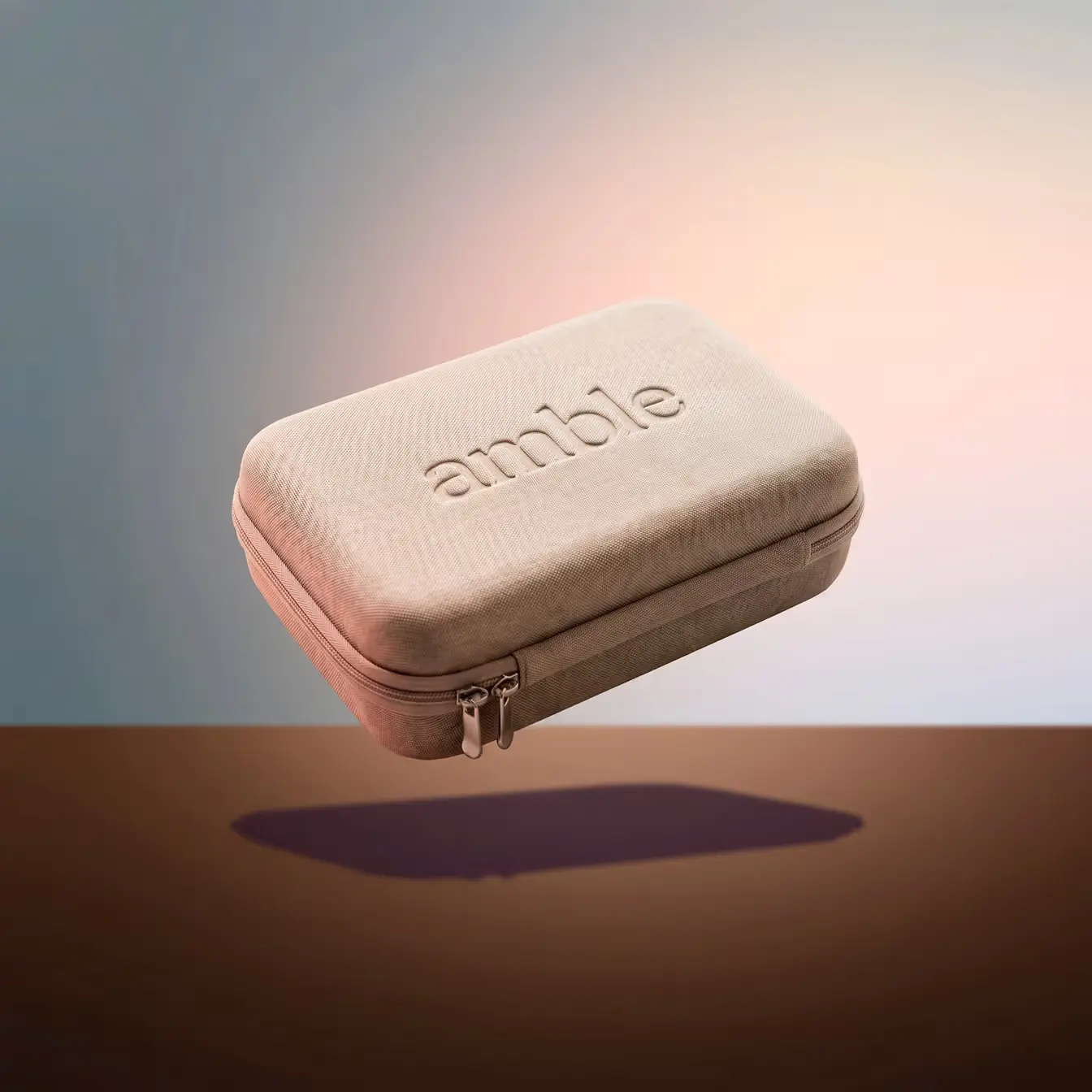
Panic Packis our most comprehensive emergency medical kit, combining 18 medications with Instant Glucose Powder and nine trauma and wound-care supplies.
The physical supplies include a tourniquet intended for life-threatening bleeding, styptic powder, eye wash, Tegaderm, gauze, liquid bandage, a cold pack, Steri-Strips, and orthodontic wax. Together, they extend the kit beyond the basic bandages and everyday items found in many standard first aid kits.
The medication component adds another layer alongside the physical supplies. Each prescription item has a specific purpose, rather than serving as a catch-all treatment for every situation.
Instant Glucose Powder is included separately as an over-the-counter supplement item rather than a prescription medication.
By combining medical supplies, trauma and wound-care equipment, and provider-reviewed prescription coverage in one kit, Panic Pack is designed for people looking for broader emergency preparedness at home, while traveling, or in the field.
Important Disclosures
Prescription medications require review by a licensed healthcare provider and are prescribed only when clinically appropriate. Having a prescribed medication available in an emergency kit does not mean it is appropriate for every illness or situation that may develop later.
Medications should be used only by the person for whom they were prescribed and according to the information provided with them.
Tourniquets are intended for life-threatening bleeding. Improper use can cause serious harm, so they should not be treated as a routine first aid item.
A comprehensive emergency medical kit is about covering more than everyday first aid. By combining well-organized supplies, appropriate medications, and provider-reviewed prescription coverage, you can build a kit that is better prepared for a wider range of situations.
References
Your questions,
answered.
What should a comprehensive emergency medical kit contain?
A comprehensive kit should cover multiple categories, including wound and trauma care, pain and fever relief, allergy care, useful medical tools, and basic medications. The exact contents can vary depending on where and how the kit will be used.
How is an emergency medical kit different from a first aid kit?
A basic first aid kit generally focuses on common minor injuries. A more comprehensive emergency medical kit can add broader wound-care supplies, emergency equipment, medications, and other items intended for a wider range of situations.
Can prescription medications be included in an emergency medical kit?
Yes, when they are prescribed through an appropriate clinical process. A licensed healthcare provider must determine whether particular prescription medications are appropriate for the individual.
Where should you keep an emergency medical kit?
Keep it somewhere accessible and appropriate for its intended use. Home, vehicle, travel, and field kits may be organized differently, but urgent supplies should be easy to identify and reach.
Still have questions?