Home / Blog
August 21, 2026
6 min read
What Medications Should You Keep for Cold and Flu Season?
Key Takeaways
- A well-stocked medicine cabinet should include options for common symptoms such as fever, body aches, congestion, coughing and a runny nose.
- Check the active ingredients before combining medicines. Many multi-symptom cold and flu products already contain acetaminophen, which can lead to accidental double-dosing.
- Over-the-counter medicines can help relieve symptoms, but persistent, worsening or severe illness may require testing and assessment from a healthcare professional.
Why Prepping Your Medicine Cabinet Matters
Preparing your medicine cabinet in advance means you can focus on resting rather than reading labels or searching for an open pharmacy while feeling unwell.
Before the season begins, check which products you already have and whether any have expired.Keep medicines in their original packagingso the active ingredients, warnings and expiration dates remain easy to find. Replacing missing or outdated essentials early can be particularly helpful in households where more than one person may become sick at the same time.
The OTC Basics Everyone Recommends
Most cold and flu medicine cabinets contain products that target a few common symptom groups:
Pain and fever relief
Acetaminophen and ibuprofen are commonly kept on hand for temporary relief from symptoms such as fever, headaches and body aches. They are different medications, so check the label and consider any existing health conditions or medications before choosing a product.
Decongestants
Decongestants such as pseudoephedrine may help relieve a blocked or stuffy nose. They are not suitable for everyone, particularly people with certain health conditions, so a pharmacist or healthcare professional can help confirm whether they are appropriate.
Cough suppressants and expectorants
Dextromethorphan is a cough suppressant designed to reduce coughing, while guaifenesin is an expectorant intended to loosen mucus and make it easier to clear. Neither treats the underlying viral infection.
Antihistamines
Antihistamines such as diphenhydramine or loratadine may help with symptoms including sneezing and a runny nose. Some antihistamines can cause drowsiness, so it is important to check the label before use.
Products intended for children vary by age and formulation. Parents and caregivers should use age appropriate products and seek professional guidance when unsure.
The Mistake Most Medicine Cabinets Make
One of the easiest mistakes to make is taking more than one medicine that contains acetaminophen. It is sold on its own for pain and fever relief, but it is also included in manymulti-symptom cold and flu products.
Different packaging or brand names do not necessarily mean the products contain different ingredients. Before combining medicines, check the active ingredient panel on each label rather than relying only on the product name. Taking multiple medications containing acetaminophen can result in consuming more than intended.
It is also worth checking whether products treat symptoms you actually have. A multi-symptom medicine may contain several active ingredients even when only one is needed.
When OTC Isn’t Enough
Over-the-counter medicines can make cold and flu symptoms more manageable, but they cannot identify the cause of an illness or treat every complication.
Consider seeking medical advice whensymptoms last for more than 10 days without meaningfully improving, a high fever persists, or symptoms begin to improve before returning or becoming worse. Increasing shortness of breath, wheezing, dehydration or difficulty keeping fluids down also warrant professional assessment.
These signs do not automatically mean that a bacterial infection has developed. Colds and flu are usually caused by viruses, and antibiotics do not treat viral infections. However, a healthcare professional can assess whether testing or additional treatment may be appropriate, including whether symptoms could be linked to a secondary infection or another condition.
People with existing medical conditions may also need support earlier if an illness begins to aggravate their usual symptoms.
The Gap Between the Drugstore Aisle and What You Actually Need
Most cold and flu preparation guides stop at products designed to relieve fever, congestion, coughing and other everyday symptoms. That covers many uncomplicated illnesses, but it does not address what happens when symptoms become more severe, persist or suggest a separate problem.
In those situations, the next step is not simply adding another OTC product. It may involve testing, a medical assessment or prescription treatment selected for the specific condition. Antibiotics, for example, may be appropriate for certain bacterial infections, but they should not be used for viral colds or flu.
This creates a gap between basic medicine-cabinet preparation and provider-reviewed care. Being prepared should therefore mean having symptom-relief essentials available while also knowing how to access qualified medical support when those essentials are no longer enough.
Being Ready Before You’re Sick: What’s in Cold Reaper
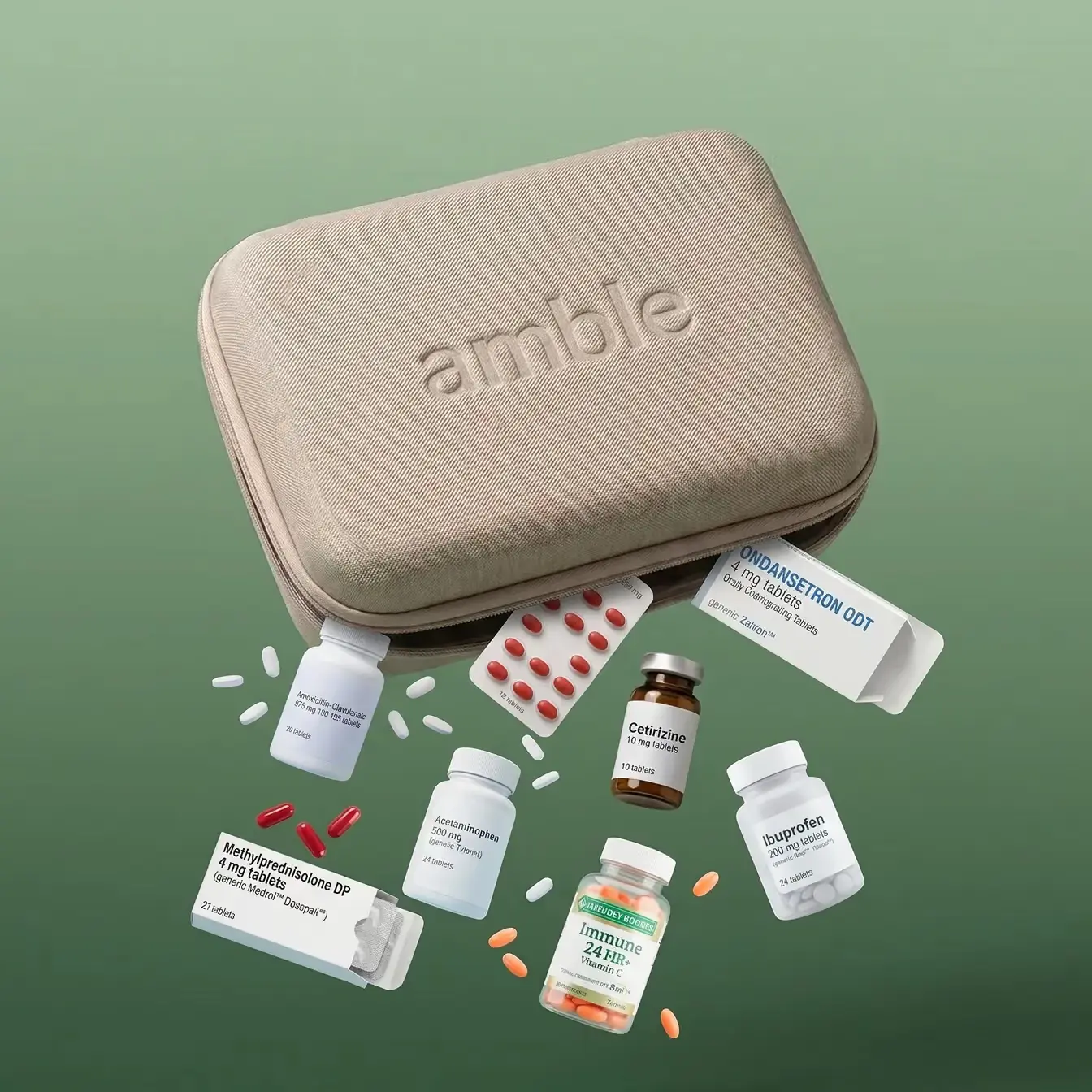
OurCold Reaper kitis designed for people who want provider reviewed medication options available before cold and flu season begins.
The standard kit contains eight items. Four are prescription medications:Amoxicillin-ClavulanateandAzithromycin, which are antibiotics;Methylprednisolone, a corticosteroid; andOndansetron ODT, an anti-nausea medication. Antibiotics do not treat the viruses that cause colds or flu and should only be used when a qualified healthcare professional determines they are appropriate.
Cold Reaper also includes three familiar OTC medications:Cetirizinefor allergy-related symptoms,Acetaminophenfor pain and fever, andIbuprofenfor pain, fever and inflammation.
The eighth item,Nature’s Bounty Immune 24 HR + Vitamin C, is a dietary supplement included to support normal immune function. It is separate from the prescription and OTC medications in the kit.
To order Cold Reaper, patients complete an online medical intake covering their health history and allergies. A licensed provider then reviews the information and determines whether the kit is appropriate to prescribe. Whether the kit is prescribed depends on that individual assessment.
Important Disclosures
Cold Reaper includes prescription medications and requires an online medical intake and review by a licensed provider. Access to the kit or any particular prescription medication is not guaranteed and is determined by the provider.
Each kit is prescribed for the individual who completes the intake and should not be shared with other household members. Nature’s Bounty Immune 24 HR + Vitamin C is a dietary supplement, not a medication, and is not intended to diagnose, treat, cure or prevent any disease.
Cold Reaper does not replace testing, routine medical care, urgent care or emergency treatment.
When to See a Doctor
Seek medical advice if a high fever persists, symptoms continue without improvement, or an illness improves before returning more severely. Difficulty keeping fluids down or signs of dehydration also require professional attention.
Seek urgent medical care fordifficulty breathing, persistent chest pain, confusion, bluish lips or skin, severe weakness or rapidly worsening symptoms. Cold Reaper is not intended for emergencies, and serious symptoms should not be managed by relying on medication kept at home.
Preparing before cold and flu season means stocking the basics, checking active ingredients and knowing when symptoms require professional care. Explore our Cold Reaper kit to learn more about provider-reviewed cold and flu preparedness.
References
Your questions,
answered.
What medications should you keep for cold and flu season?
A practical medicine cabinet may include pain and fever relievers, decongestants, cough suppressants or expectorants, and antihistamines. The right products depend on individual health needs, existing medications and who will be using them.
Can you take acetaminophen with cold and flu medicine?
Some combination cold and flu products already contain acetaminophen. Check the active ingredients before combining products to avoid accidentally taking more than intended.
Do antibiotics treat a cold or the flu?
No. Colds and flu are caused by viruses, while antibiotics treat certain bacterial infections. A healthcare professional should determine whether an antibiotic is appropriate.
Should you keep prescription medication for cold and flu season?
Prescription medication should only be obtained through a legitimate prescription and provider assessment. It should be used only by the person for whom it was prescribed and according to their provider’s instructions.
Still have questions?