


Home / Blog
August 19, 2026
7 min read
How to Prepare Your Home for Flu and Viral Illness Season
Key Takeaways
- Prepare for flu and viral illness season with routine hand hygiene, regular cleaning of high-touch surfaces, better airflow and recommended seasonal vaccinations.
- Decide where a sick household member can rest away from others, and keep testing and basic care supplies available before symptoms begin.
- Most preparation advice stops at prevention and over-the-counter supplies. Provider-reviewed prescription options can also be arranged in advance, so the household has a clearer plan if someone becomes ill.
Why Viral Season Prep Starts Before Anyone’s Sick
The best time to prepare for flu and viral illness season is before symptoms start spreading through the household. Once someone is sick, simple decisions such as finding a test, restocking an empty medicine cabinet or working out where they can rest become harder.
Preparing early gives the household a clear plan. Check which supplies need replacing, decide how you would limit close contact and make sure you know how to access medical care. This is particularly important in homes withyoung children, older adultsor anyone at greater risk of complications from respiratory illness.
The Hygiene and Prevention Basics
Good preparation starts with themeasures that reduce the spread of respiratory viruses around the home:
- Wash your hands regularly.Use soap and water, particularly after coughing, sneezing, returning home or caring for someone who is sick.
- Cover coughs and sneezes.Use a tissue or the inside of your elbow rather than your hands, then dispose of used tissues promptly.
- Clean high-touch surfaces.Pay attention to frequently handled areas such as door handles, light switches, phones, remote controls and kitchen counters. Disinfect surfaces when someone in the home is ill.
- Improve airflow.Open windows where practical, use extractor fans and keep ventilation systems or air filters properly maintained.
- Stay current with recommended vaccinations.Check whether household members are due for a seasonal flu vaccine or other recommended respiratory-virus vaccinations.
- Keep useful supplies within reach.Hand sanitizer, tissues, cleaning products, masks and a working thermometer are easier to restock before demand rises or someone becomes unwell.
No single step prevents every infection. Together, these measures make it harder for illness to move quickly through the household.
Creating a “Sick Space” When Illness Hits
When someone becomes sick, give them a comfortable place to rest away from the busiest parts of the home. A separate bedroom is ideal, but a quieter area with some distance from other household members can still help reduce close contact.
If the home has more than one bathroom,reserve one for the sick personuntil they recover. Where that is not possible, keep shared surfaces clean and improve airflow by opening a window or using an extractor fan.
Set up the space with water, tissues, a lined bin, a thermometer, chargers and other basic comfort supplies. Keeping these items nearby lets the person rest while reducing unnecessary movement through shared rooms, particularly around anyone at greater risk of severe illness.
Testing and Knowing What You’re Dealing With
Flu and other respiratory illnesses can cause similar symptoms, so it is not always possible to tell them apart based on how someone feels. Keeping suitable at-home flu tests available can provide useful information without requiring a last-minute trip to the pharmacy.
Check the test’s expiration date and follow its instructions carefully. A positive result can help inform precautions and the next conversation with a healthcare provider. A single negative result does not identify another illness and may not rule out an infection, particularly when testing takes place early.
Testing is one part of the picture. Symptoms, risk factors and changes in the person’s condition also shape what happens next.
The Gap Most Prep Advice Misses
Most flu-season checklists explain how to reduce the spread of illness and stock the home with basic supplies. Far fewer address what happens when prevention has not worked and someone needs more than rest, fluids and over-the-counter products.
The usual next step is to contact a healthcare provider, complete an evaluation and then arrange any prescription treatment. Starting that process while sick can mean managing appointments, pharmacy access and household responsibilities at the same time.
Provider-reviewed prescription options can instead be arranged before illness hits. For approved patients, this places the medical review and access step within the preparation process rather than leaving everything until symptoms begin.
It does not turn every respiratory illness into the same treatment problem. It gives the household a more complete plan for responding when someone becomes unwell.
Being Ready Before Illness Hits: What’s in Viral Ick
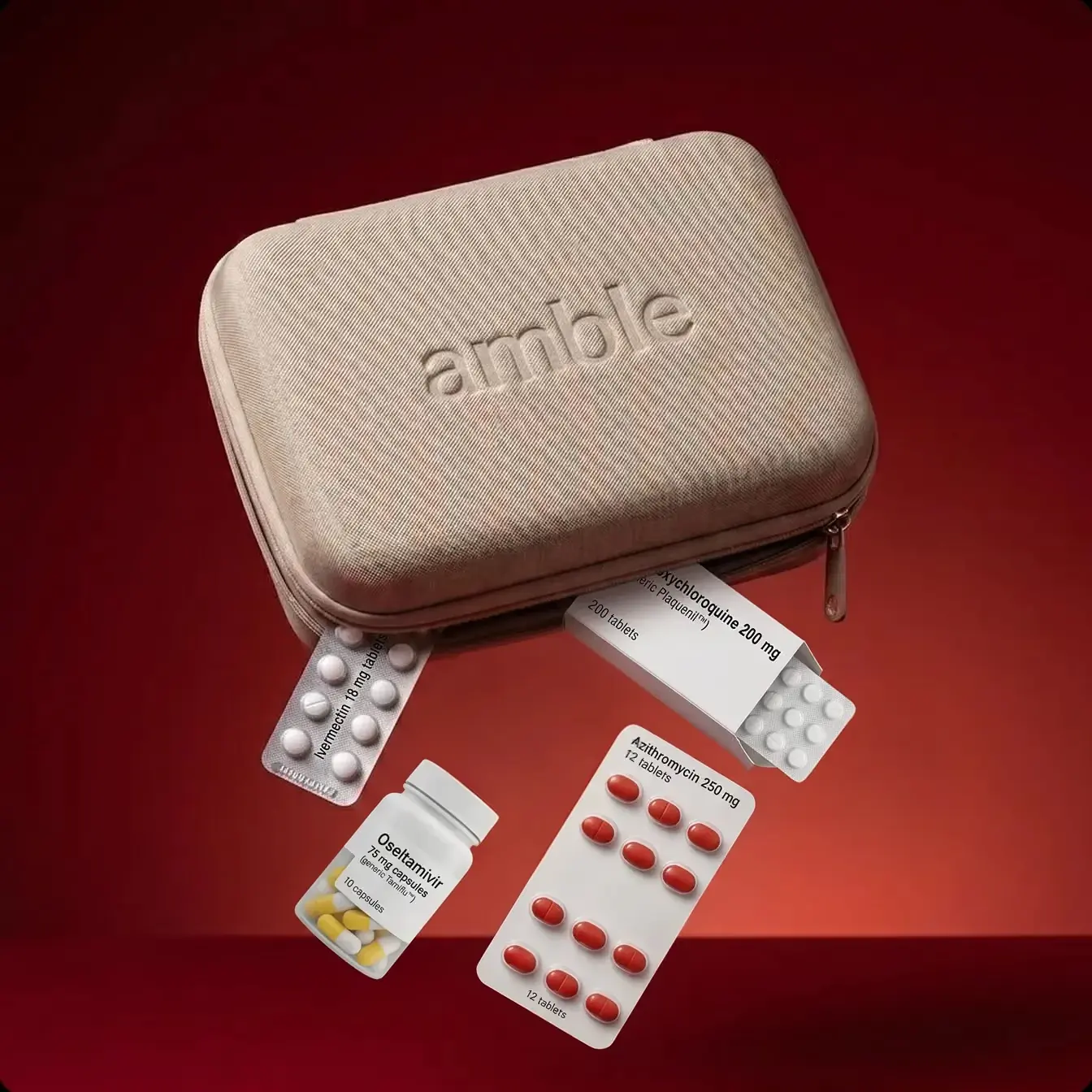
TheViral Ick Kitadds provider-reviewed prescription coverage to the usual household flu-season checklist. Instead of beginning the process after symptoms appear, eligible patients can complete an online medical intake and have the kit shipped in advance if prescribed by a licensed provider.
Viral Ick contains seven prescription medications, including oseltamivir, azithromycin and budesonide. The medications serve different purposes across antiviral, antibiotic and respiratory care, giving the prescribing provider several options to consider when reviewing the patient’s needs.
The kit also includes a nebulizer. This is a medical device, not an eighth medication. It converts prescribed liquid medication into a mist that can be inhaled through a mask or mouthpiece.
Having the kit at home removes some of the practical scrambling that often begins when someone becomes sick. Once prescribed, the medical review, prescription and delivery are completed in advance, so the kit is already on hand if illness strikes.
What’s in Ouch Pouch
Ouch Pouchis designed to go beyond the basic dressings and over-the-counter products found in many standard first aid kits. Its contents include options related to common wounds, skin symptoms, and allergic reactions, including:
- Mupirocin
- Triple antibiotic ointment
- Hydrocortisone cream
- Diphenhydramine
- An epinephrine auto-injector
- A prescription antibiotic
These products do not all serve the same purpose, and having them available does not mean that each one is appropriate for every cut, rash, or allergic reaction. Prescription medications should only be used by the person for whom they were prescribed and according to the instructions supplied for that medication.
Access begins with an online medical assessment. A licensed healthcare provider reviews the information submitted and determines whether the prescription items are appropriate. Approval is based on individual circumstances and is not guaranteed.
Ouch Pouch is intended to support preparedness for minor-to-moderate everyday health issues. It is not designed to replace emergency services, in-person medical care, or the specialist equipment needed for major trauma.
Important Disclosures
An epinephrine auto-injector is an emergency treatment for suspected anaphylaxis, not a replacement for emergency medical care. Call 911 immediately after using prescribed epinephrine, even if symptoms begin to improve.
Prescription medications included in Ouch Pouch require evaluation and approval from a licensed healthcare provider. They should only be used by the person for whom they were prescribed and according to the instructions provided.
Ouch Pouch is intended for minor-to-moderate everyday issues. Severe bleeding, major trauma, and injuries that may require a tourniquet are outside its scope and require appropriate emergency care.
Knowing what to do first can help you respond calmly to everyday cuts, burns, rashes, and allergic reactions. Explore Ouch Pouch for a more comprehensive approach to everyday preparedness.
Important Disclosures
Viral Ick is available by prescription following an online intake and review by a licensed healthcare provider. Approval is not automatic, and each medication should be used only by the person it was prescribed for and according to the instructions provided.
The medications in the kit have different purposes and are not interchangeable across flu, RSV or other respiratory illnesses.
When to Seek Emergency Care
A prepared home and an available medication kit do not replace emergency care.Call 911 or seek immediate medical helpif someone develops:
- Difficulty breathing or severe shortness of breath
- Persistent pain or pressure in the chest
- Blue or gray lips, face, skin or nail beds
- New confusion, difficulty waking or an inability to stay awake
This is not a complete list of emergency warning signs. A rapid decline, severe symptoms or anything that feels immediately life-threatening also warrants urgent assessment.
References
Your questions,
answered.
How should I prepare my home for flu season?
Start with the basics: stay current with recommended vaccinations, practice regular hand hygiene, clean high-touch surfaces and improve airflow. Keep tests and everyday care supplies available, and decide where someone could rest away from others if illness enters the household.
What should I keep at home for flu and viral illness season?
Useful supplies include a working thermometer, tissues, hand sanitizer, cleaning products, masks, at-home tests and drinks or foods that support hydration. Check expiration dates before the season begins and replace anything that is missing or no longer usable.
Can at-home tests tell whether I have flu?
Some at-home tests can detect the flu. A positive result can indicate an infection covered by the test and help guide the next steps. A negative result does not rule out every respiratory illness and may miss an infection when testing takes place too early.
Can prescription medications be arranged before someone gets sick?
Yes. A licensed provider can review your medical information before illness hits and decide whether to prescribe a kit in advance. This completes the intake, review and delivery process ahead of time. Each medication has a specific purpose, so the items in the kit are not interchangeable. Flu and viral illness season is easier to manage when the household plan covers prevention, testing, a place to recover and access to care. Viral Ick adds provider-reviewed prescription preparation before symptoms disrupt the home.
Still have questions?


Ready to recharge at the cellular level
Licensed clinicians. Easy to follow treatments. 100% online.