
Prescription required. A licensed provider determines eligibility and treatment; kit contents may vary. Use only as directed and do not share medications. Amble does not provide medical care or dispense medications; care and prescriptions are provided by licensed providers and pharmacies. Compounded medications, if prescribed, are not FDA approved or reviewed for safety, effectiveness, or quality.



Mayday
Travel Emergency Kit
Travel broadens the mind. It can also upset your stomach, wreck your sleep and introduce you to bacteria you’ve never met before. That’s where Amble’s Mayday: Travel Emergency Kit comes in handy.
It’s packed with a range of prescription medications to help you handle common travel problems like infections, nausea, traveler’s stomach, altitude sickness, persistent coughs and the other surprises that tend to show up on the road.
- Includes 10 essential medications to help you combat common travel-related infections
- Prescribed by a licensed medical provider
- Multi-symptom travel preparedness in one compact kit
- Designed to help you recover fast when things go sideways away from home

Prescription required. A licensed provider determines eligibility and treatment; kit contents may vary. Use only as directed and do not share medications. Amble does not provide medical care or dispense medications; care and prescriptions are provided by licensed providers and pharmacies. Compounded medications, if prescribed, are not FDA approved or reviewed for safety, effectiveness, or quality.
How do I order?
Click Get Started to begin the process. Next you will answer some questions about your health history, medical allergies, and lifestyle via our online medical intake. A licensed medical provider will then review your information and determine if the Kit is right for you. If prescribed, your Kit is shipped directly to your door at no extra cost.
Can I order refills?
You can order an Amble Med Kit annually for each person in your household that meets our requirements. You can order an additional Med Kit to keep at a different location. This will allow you to order up to 4 full Med Kits per year, per person, providing they are kept at different locations. Important Note: We do not condone the stockpiling of medications. Medications purchased through Amble are for the sole purpose of having the appropriate emergency medications on hand when and where you need them, and only should be used in the event you cannot access medical help.
Can I order multiple kits?
Yes. You are eligible to purchase an Amble Med Kit for additional locations. For those who have a legitimate reason to own an additional Med Kit, you can apply for approval during the standard checkout process.
Example of eligible situations:
• Store in your vehicle
• Second home address
• RV or Motorhome
• Cabin
• Boat or Houseboat
• Office/Work
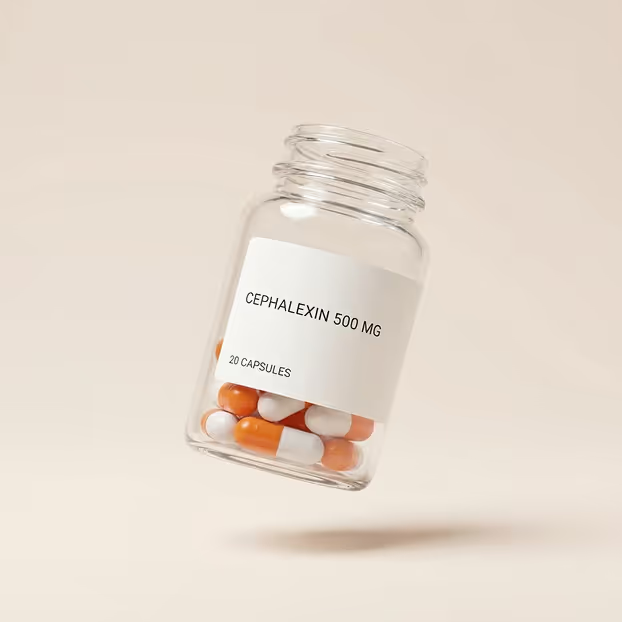
Whats included





How it works
Free assessment, 100% online
Answer some questions about your health history, lifestyle, and goals via our online medical intake.
Prescription
A licensed medical provider will review your information and determine if the medication is right for you.
Free delivery
If prescribed, your medication is cold-shipped directly to your door at no extra cost.

Travel With Confidence
Be prepared for common travel health issues.

Coverage for the Unexpected
Support for infections, nausea, altitude sickness, and more.

Recovery on the Go
Get back to enjoying your trip faster.

Provider Prescribed
Reviewed by a licensed medical provider and tailored to you.

Why Amble?
Doctor-trusted medication
Licensed physicians

On-going support

Your questions, answered.
Who can order an Amble Med Kit?
This is an RX product. To ensure compliance, orders are limited to you or a dependent using your verified email. To order for others, please purchase a gift card or contact Customer Service.
How do I store my kit?
It is recommended to store medications in air-tight containers in a cool and dry environment. However, storage requirements can vary for different medications, so we recommend consulting with your healthcare professional regarding proper storage conditions.
How long can the medications be stored?
Regulations require a pharmacist to place an expiration date of one year on most medications that they dispense. Remember to always store your medication in a cool dry place to maximize its viability.
Does Amble encourage stockpiling medications?
No, Amble does not encourage or condone the stockpiling of medications. Our emergency Med Kits are intended solely for limited and responsible preparedness in case of unexpected emergencies or disasters where access to medical care may be limited.
How often can I reorder my medications
You can order an Amble Med Kit annually for each person in your household that meets our requirements. You can order an additional Med Kit to keep at a different location. This will allow you to order up to 4 full Med Kits per year, per person, providing they are kept at different locations.
What if I have an allergy to a specific medication in the kit?
If you have a known allergy to medication, you can note that during the enrollment process. Based on the medical history and allergy information provided during the enrollment process, one or more medications may not be prescribed in your kit without substitution.
Can I share my kit with other family members?
Amble only offers individual kits that are prescribed to the individual who filled out the order form. The physicians prescribe based upon the answers to the questions on that form. If there is an allergy notated on the form, we need to account for that allergy and make sure that others are not using the medications that could potentially be harmful to them. These are emergency medications and should be treated the same way as any other prescription that is prescribed by a physician.
Can I order multiple kits?
Yes. You are eligible to purchase an Amble Med Kit for additional locations. For those who have a legitimate reason to own an additional Med Kit, you can apply for approval during the standard checkout process.
Example of eligible situations:
• Store in your vehicle
• Second home address
• RV or Motorhome
• Cabin
• Boat or Houseboat
• Office/Work
Can I order refills?
You can order an Amble Med Kit annually for each person in your household that meets our requirements. You can order an additional Med Kit to keep at a different location. This will allow you to order up to 4 full Med Kits per year, per person, providing they are kept at different locations. Important Note: We do not condone the stockpiling of medications. Medications purchased through Amble are for the sole purpose of having the appropriate emergency medications on hand when and where you need them, and only should be used in the event you cannot access medical help.
Do I need insurance?
No, Amble does not require insurance. We provide transparent, all-inclusive pricing for your care. This includes comprehensive clinical support — ongoing provider oversight, direct access to your care team through secure messaging, and regular medication shipments. Our goal is to ensure you receive continuous medical guidance and support throughout your treatment.


Medication Guide
General Disclaimer
These medications should always be used responsibly and after consultation with a qualified healthcare professional or primary care provider for diagnosis and treatment instructions before utilizing any medications in your kit. If you have any questions, Amble offers a team of licensed medical professionals to help.
Storage Information
Most solid oral drugs have a longer shelf life when stored at room temperature (68–77°F / 20–25°C) and shielded from UV radiation in airtight containers. The FDA's Shelf-Life Extension Program showed that many solid form medications stayed potent beyond their expiration date.
Legal Disclaimer
Medication Information
CIPROFLOXACIN
(generic Cipro™)
Pharmacologic Category: Fluoroquinolone antibiotic
FDA-Approved Uses:
- Urinary Tract Infections (UTIs)
- Respiratory Infections
- Skin & Bone Infections
- Gastrointestinal & Abdominal Infections
- Sexually Transmitted Infections (STIs)
- Complicated intra-abdominal infections, in combination with metronidazole
- Infectious diarrhea
- Typhoid fever
- Uncomplicated cervical and urethral gonorrhea
- Chronic bacterial prostatitis
- Lower respiratory tract infections
- Urinary tract infections
- Acute uncomplicated cystitis
- Complicated urinary tract infections and pyelonephritis
- Inhalational anthrax, post-exposure
Common Off-Label Uses:
- Traveler's diarrhea
- Febrile neutropenia, select cases and in combination regimens
- Spontaneous bacterial peritonitis prophylaxis, select cases
- Bacterial gastroenteritis caused by susceptible organisms
- Certain resistant Gram-negative infections when culture and susceptibility support use
Typical Adult Dosing:
Anthrax Prophylaxis*1 pill by mouth every 12 hours for up to 60 days*Consult local health officials for event-specific recommendations
Bite WoundsSecondary treatment option. Needs 2 antibiotics for treatment/prevention: use with EITHER clindamycin or metronidazole.
- Prevention of infection: 1 pill by mouth every 12 hours for 3–5 days
- Treatment of infection: 1 pill by mouth every 12 hours for minimum of 5 days up to 14 days if redness not fully resolved
CholeraSecondary treatment option1 pill by mouth every 12 hours for 3 days
Plague*
- Prophylaxis: 1 pill by mouth every 12 hours for 7 days
- If pregnant: 1 pill by mouth every 8 hours for 7 days
- Treatment: 1 ½ pills by mouth every 12 hours for 7–14 days and a few days after clinical resolution
- If pregnant: 1 pill by mouth every 8 hours for 7–14 days and a few days after clinical resolution
*Consult local health officials for event-specific recommendations
Prostatitis
- Acute: 1 pill by mouth every 12 hours for 2–4 weeks
- Chronic: 1 pill by mouth every 12 hours for 4–6 weeks
Traveler's DiarrheaSecondary treatment option1 pill by mouth every 12 hours for 3 days
Tularemia Prophylaxis*1 pill by mouth every 12 hours for 14 days
Typhoid Fever1 pill by mouth every 12 hours for 7–10 days
Urinary Tract InfectionSecondary treatment option for simple UTI
- Simple: 1 pill by mouth every 12 hours for 3 days (females) or 5 days (males)
- Complicated: 1 pill by mouth every 12 hours for 5–7 days
Pregnancy: Pregnancy Risk Category C (see Appendix A).
Breastfeeding: Not recommended.
Notes: Due to potentially irreversible side effects, including tendinopathy, tendon rupture, peripheral neuropathy, and central nervous system effects, this should be reserved for those who have no other treatment options in most cases. Discontinue use immediately if you experience any of these reactions. Avoid use in people with myasthenia gravis.
Common Side Effects: Risk of tendon rupture/tendonitis, exacerbation of myasthenia gravis symptoms, aortic aneurysm, joint pain, dizziness, confusion, psychosis, suicidal ideation, hallucinations, C. diff infection, high or low blood sugar, liver injury, allergic reactions, peripheral neuropathy, photosensitivity, QT prolongation. Other side effects include: nausea, vomiting, rash, and diarrhea.
Contraindications: Allergy or hypersensitivity to ciprofloxacin or any fluoroquinolone medication. History of myasthenia gravis. History of connective tissue disorder or problems with your aorta. Co-administration with tizanidine (Zanaflex).
Caution: Caution in people with kidney impairment and when using blood thinners like coumadin (warfarin).
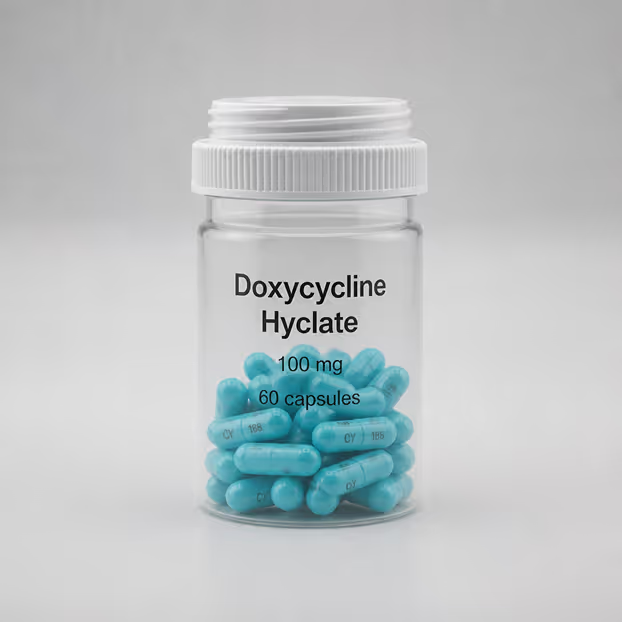
DOXYCYCLINE HYCLATE 100 mg
Pharmacologic Category: Antibiotic, Tetracycline Derivative
FDA-Approved Uses:
- Acne vulgaris
- Anthrax due to Bacillus anthracis (bioterror)
- Amebiasis (parasite infection caused by Entamoeba histolytica)
- Sexually transmitted infections (caused by Chlamydia trachomatis)
- Malaria prophylaxis
- Rickettsia infections
- Rocky Mountain spotted fever (caused by Rickettsia rickettsii)
- Q Fever (caused by Coxiella burnetii)
- Typhus
Common Off-Label Uses:
- Lyme disease (vector-borne disease caused by Borrelia bacteria)
- Community-acquired pneumonia
- Acute bacterial rhinosinusitis (nasal passage & sinus infection)
- Skin and soft tissue infections due to Staph aureus
- Tularemia (Rabbit fever caused by bacterium Francisella tularensis, bioterror)
- Plague (caused by Yersinia pestis, bioterror)
Typical Adult Dosing:
Anthrax (bioterror), inhalation, postexposure prophylaxisTake Doxycycline 100 mg (1 capsule) by mouth TWICE A DAY for 42 to 60 days***Consult with a local expert for more information**Some experts favor longer durations (3–4 months)
Lyme disease, prophylaxis (asymptomatic exposure & Ixodes spp. tick attached for > 36 hours)Take Doxycycline 200 mg (2 capsules) by mouth ONCE
Lyme disease, treatment (symptomatic infection)Take Doxycycline 100 mg (1 capsule) by mouth TWICE A DAY for 10 to 28 days****Duration based on symptom presentation
- Treatment, erythema migrans: 10 days
- Treatment, acute neurological disease: 14–21 days
- Treatment, carditis: 14–21 days
- Treatment, arthritis with neurological involvement: 28 days
Rocky Mountain Spotted FeverTake Doxycycline 100 mg (1 capsule) by mouth TWICE A DAY for 5 to 7 days****or for at least 3 days after fever subsides, whichever is longer
Q fever, acute symptomatic infectionTake Doxycycline 100 mg (1 capsule) by mouth TWICE A DAY for 14 days
Bite wound (human and animal), prophylaxis (asymptomatic exposure)Take Doxycycline 100 mg (1 capsule) by mouth TWICE A DAY for 3–5 days
Bite wound (human and animal), treatment (symptomatic infection)Take Doxycycline 100 mg (1 capsule) by mouth TWICE A DAY for up to 14 days
Plague (Yersinia pestis), Tularemia (bioterror)Take Doxycycline 100 mg (1 capsule) by mouth TWICE A DAY for 7 days*Consult with a local expert for more information
Sexually transmitted infection (STI), caused by Chlamydia trachomatisTake Doxycycline 100 mg (1 capsule) by mouth TWICE A DAY for 7 days
Pregnancy: Pregnancy Risk Category D (see Appendix A). Many guidelines consider Doxycycline to be a relative contraindication in pregnant women. Consult with a medical provider.
Breastfeeding: Present in breastmilk, use caution. Consult with a medical provider.
Notes: Doxycycline is most effective when taken on an empty stomach. If stomach disturbance is a concern, may be taken with a meal, however, absorption may be decreased.
Common Side Effects: Gastrointestinal including diarrhea and nausea.
Contraindications: DO NOT TAKE if known allergy or hypersensitivity to Doxycycline, other tetracyclines, or any other component of the formulation; concurrent use of isotretinoin.
Caution: Significant drug interactions exist and may require dose/frequency adjustment or avoidance. Prolonged use (>28 days) of antibiotics may result in fungal or bacterial superinfection. Doxycycline use may exacerbate the neuromuscular disorder myasthenia gravis.
Please review full package insert and consult with a medical provider for additional information.
ONDANSETRON 4 mg
(generic Zofran™)
Pharmacologic Category: Antiemetic; Selective 5-HT₃ Receptor Antagonist
FDA-Approved Uses:
- Cancer chemotherapy-induced nausea and/or vomiting
- Postoperative nausea and/or vomiting
- Radiotherapy-associated nausea and/or vomiting
Common Off-Label Uses:
- Nausea and/or vomiting, acute, severe
- Pregnancy-associated nausea and/or vomiting
- Vertigo-associated nausea and/or vomiting
Typical Adult Dosing:
Nausea and/or vomiting, acute, severeTake Ondansetron 4 mg (1 tablet) by mouth EVERY 4 to 8 HOURS, as needed for nausea or vomiting****Do not exceed 16 mg (4 tablets) in a 24-hour period
Pregnancy: Pregnancy Risk Category B (see Appendix A). Consult with a medical provider.
Breastfeeding: Presence in human breast milk is unknown. Potential harm to breastfeeding infants is unknown. Consult with a medical provider.
Notes: Ondansetron may be taken with food or on an empty stomach. Take with a full glass of water.
Common Side Effects: Headache, constipation, diarrhea, dizziness, drowsiness, fatigue, and malaise.
Contraindications: DO NOT TAKE if known allergy or hypersensitivity to Ondansetron (Zofran™), or any other component of the formulation; DO NOT TAKE with apomorphine.
Caution: Significant drug interactions exist and may require dose/frequency adjustment or avoidance. Additional considerations in persons taking other serotonergic agents (e.g. SSRIs, SNRIs, MAOIs) or with a history of Serotonin syndrome. May cause dizziness/drowsiness, advise caution while driving.
Please review the full package insert and consult with a medical provider for additional information.
LOPERAMIDE HCL
(generic Imodium™)
Pharmacologic Category: Antidiarrheal agent; peripheral opioid receptor agonist
FDA-Approved Uses:
- Diarrhea
- Traveler's diarrhea
- Viral gastroenteritis
- Control and symptomatic relief of acute nonspecific diarrhea
- Control and symptomatic relief of chronic diarrhea associated with inflammatory bowel disease
- Reduction of ileostomy output, depending on formulation and medical direction
Common Off-Label Uses:
- Traveler's diarrhea symptom control when appropriate
- Short bowel syndrome-associated diarrhea, under medical direction
Typical Adult Dosing:
Diarrhea, Traveler's diarrhea, Viral gastroenteritis2 pills by mouth initially, followed by 1 pill by mouth after each loose stool.Do not exceed 4 pills per day
Pregnancy: Pregnancy Risk Category C (see Appendix A).
Breastfeeding: Not recommended.
Notes: Due to concern with Torsades de pointes (heart rhythm disturbance), cardiac arrest, and death, do not use higher than recommended doses of loperamide and avoid it in children under age 2.
Common Side Effects: Common side effects include dizziness, constipation, abdominal cramps and, nausea. Less common side effects include abdominal pain, rash, drowsiness, fatigue, flatulence, itching, skin rash, Stevens-Johnson syndrome (severe skin reactions), urinary retention, hives, vomiting, and dry mouth.
Contraindications: Allergy or hypersensitivity to loperamide. Currently have fever, bloody stools, concern for C. diff, abdominal pain without diarrhea, acute dysentery, acute ulcerative colitis, concern for Salmonella, Shigella and Campylobacter. Children under 2 years old.
Caution: Consult medical provider if you are taking antibiotics, pregnant, breastfeeding, have fever, bloody or mucous in stool, or have liver disease.
ACETAZOLAMIDE
(generic Diamox™)
Pharmacologic Category: Carbonic anhydrase inhibitor
FDA-Approved Uses:
- Antinausea
- Headaches
Common Off-Label Uses:
- Headache
- Dizziness
- Fatigue
- Insomnia
- Eye Issues
Typical Adult Dosing:
Acute Altitude Illness Prevention1/2 pill by mouth every 12 hours starting the day before ascent. Discontinue after staying at the same elevation for 2 to 4 days or if descent is initiated.
Acute Altitude Illness Treatment1 pill by mouth every 12 hours. Continue until descent or 24 hours after resolution of symptoms.
Glaucoma (Acute Angle-Closure)2 pills by mouth onceNote: To be used only when there is a ≥1 hour delay to ophthalmologist evaluation, as an adjunct to topical therapy.
Pregnancy: Pregnancy Risk Category C (see Appendix A).
Breastfeeding: Not recommended.
Notes: May increase urination, especially when therapy is started. Take with food if stomach upset occurs. Maintain adequate hydration unless otherwise directed by a medical provider. Acetazolamide may alter taste, especially with carbonated beverages. Use only as directed and do not stop abruptly if prescribed for seizure disorder unless directed by a medical provider. Acetazolamide is a sulfonamide derivative; inform the medical provider of any history of sulfonamide allergy.
Common Side Effects: Tingling in extremities. Other serious side effects include: flushing, allergic skin reaction, skin photosensitivity, decreased appetite, diarrhea, blood in urine, liver problems, confusion, depression, dizziness, drowsiness, excitement, fatigue, headache, malaise, hearing disturbance, ringing in ears, excessive urination, and fever.
Contraindications: Allergy or hypersensitivity to acetazolamide, sulfonamides, or any component of the formulation. History of severe liver or kidney disease or insufficiency. History of low sodium and/or potassium levels. History of adrenocortical insufficiency.
Caution: Adults over 65 years old as they may be more sensitive to side effects.
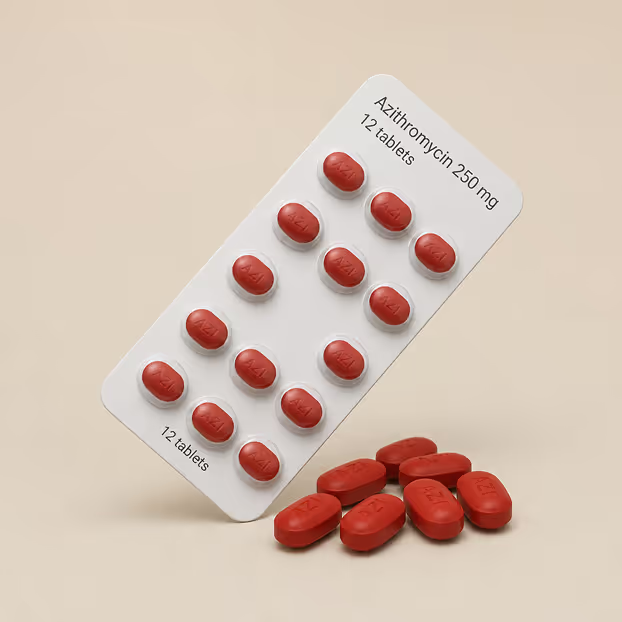
AZITHROMYCIN 250 mg
(generic Zithromax™, Z-Pak™)
Pharmacologic Category: Antibiotic, Macrolide
FDA-Approved Uses:
- Community-acquired pneumonia, mild severity
- Acute Pharyngitis, Group A streptococcus (strep throat)
- Acute bacterial sinusitis (sinus infection)
- Acute otitis media (inner ear infection)
- Acute bacterial exacerbations of chronic obstructive pulmonary disease (COPD)
- Uncomplicated skin infections
- Urethritis and cervicitis (caused by Chlamydia trachomatis)
Common Off-Label Uses:
- Babesiosis (malaria-like parasitic disease)
- Bartonella (cat scratch disease)
- Infectious traveler's diarrhea
- Pertussis (whooping cough)
- Bronchiectasis
Typical Adult Dosing:
Community-acquired pneumonia, mild severityTake Azithromycin 500 mg (2 tablets) by mouth DAILY on day 1, then 250 mg (1 tablet) by mouth DAILY on days 2–5orTake Azithromycin 500 mg (2 tablets) by mouth DAILY for 3 days
Infectious traveler's diarrheaTake Azithromycin 500 mg (2 tablets) by mouth DAILY for 3 days
Viral upper respiratory infection, Bronchitis, Pertussis; Take Azithromycin 500 mg (2 tablets) by mouth DAILY on day 1, then 250 mg (1 tablet) by mouth DAILY on days 2–5
Sexually transmitted infection (STI), chlamydiaTake Azithromycin 1,000 mg (4 tablets) by mouth ONE TIME, repeat after 1 week if needed
Acute bacterial pharyngitis, Sinusitis, TonsillitisTake Azithromycin 500 mg (2 tablets) by mouth DAILY on day 1, then 250 mg (1 tablet) by mouth DAILY on days 2–5
Babesiosis, BartonellaTake Azithromycin 500 mg (2 tablets) by mouth DAILY on day 1, then 250 mg (1 tablet) by mouth DAILY on days 2–5
Pregnancy: Pregnancy Risk Category B (see Appendix A).
Breastfeeding: Present in breastmilk, use caution. Consult with a medical provider.
Notes: While Azithromycin may be taken with food or on an empty stomach, the risk of gastrointestinal side effects is decreased when taken with meals.
Common Side Effects: Gastrointestinal including diarrhea and nausea.
Contraindications: DO NOT TAKE if known allergy or hypersensitivity to Azithromycin (Zithromax™, Z-Pak™), Clarithromycin (Biaxin™), Erythromycin (Erythrocin™, Ery-Tab™, or E.E.S.™), or any other Macrolide. DO NOT TAKE if history of cholestatic jaundice/hepatic dysfunction associated with prior azithromycin use. Azithromycin is listed as a contraindication in the manufacturer's labeling for pimozide.
Caution: Significant drug interactions exist and may require dose/frequency adjustment or avoidance. Azithromycin may affect the efficacy of blood thinners, like warfarin, which could increase the risk of bleeding. Medical supervision may be necessary to monitor clotting times and, if necessary, adjust the dosage of anticoagulants during Azithromycin treatment. Prolonged use (>28 days) of antibiotics may result in fungal or bacterial superinfection.
Please review the full package insert and consult with a medical provider for additional information.
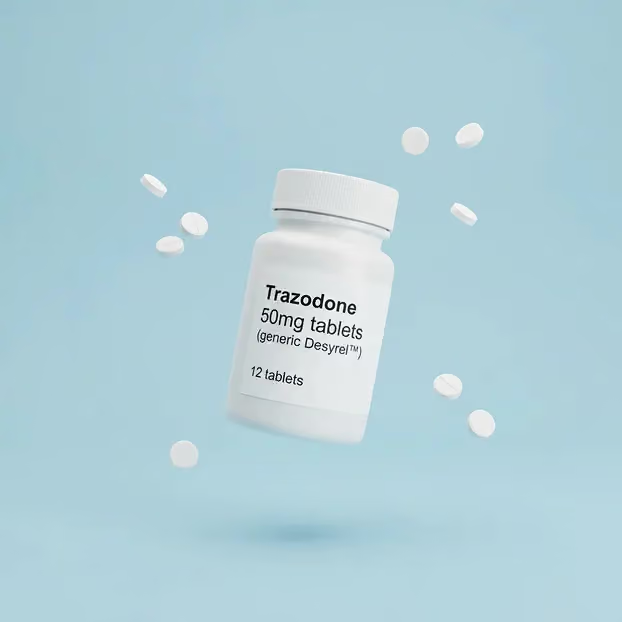
TRAZODONE
(generic Desyrel™)
Pharmacologic Category: Antidepressant, serotonin antagonist and reuptake inhibitor
FDA-Approved Uses:
- Major depressive disorder
Common Off-Label Uses:
- Insomnia
- Anxiety disorders
- Post-traumatic stress disorder-associated sleep disturbance
- Agitation or sleep disturbance in select clinical settings when directed by a medical provider
Typical Adult Dosing:
Major depressive disorderTake Trazodone 150 mg by mouth DAILY in divided doses. May increase gradually as directed by a medical provider based on response and tolerability.
Insomnia, off-label useTake Trazodone 25 mg to 100 mg by mouth at bedtime as directed by a medical provider.
Pregnancy: No adequate and well-controlled studies in pregnant women. Trazodone should be used during pregnancy only if the potential benefit justifies the potential risk to the fetus. Consult with a medical provider.
Breastfeeding: Trazodone passes into breastmilk. Limited information indicates that trazodone levels in milk are low and would not be expected to cause adverse effects in breastfed infants, especially if the infant is older than 2 months or when doses of 100 mg or less are used at bedtime for sleep. Use caution and consult with a medical provider.
Notes: Take Trazodone exactly as prescribed. Trazodone tablets should generally be taken shortly after a meal or light snack. May cause drowsiness, dizziness, or impaired alertness. Use caution when driving or operating machinery. Do not stop taking Trazodone suddenly without talking to a medical provider. Trazodone is an antidepressant and carries a boxed warning for increased risk of suicidal thoughts and behaviors in pediatric and young adult patients. Monitor for worsening depression, mood changes, unusual behavior changes, or suicidal thoughts.
Common Side Effects: Drowsiness, dizziness, dry mouth, headache, nausea, vomiting, constipation, fatigue, blurred vision, low blood pressure, lightheadedness.
Contraindications:
- DO NOT TAKE if known allergy or hypersensitivity to trazodone or any component of the formulation.
- DO NOT TAKE with monoamine oxidase inhibitors (MAOIs) or within 14 days of stopping an MAOI.
- DO NOT TAKE if taking linezolid or intravenous methylene blue unless directed by a medical provider.
Caution: Caution with other medications that cause sedation, including alcohol, benzodiazepines, opioids, sleep medications, antihistamines, or other CNS depressants. Caution with serotonergic medications due to potential risk of serotonin syndrome. Caution with history of heart disease, arrhythmias, QT prolongation, low blood pressure, bipolar disorder, seizures, liver disease, kidney disease, or bleeding risk. May increase risk of falls, especially in elderly patients or when combined with other sedating medications. Seek urgent medical care for prolonged or painful erection, symptoms of serotonin syndrome, severe dizziness/fainting, abnormal heartbeat, or suicidal thoughts.
BENZONATATE
(generic Tessalon Perles™)
Pharmacologic Category: Antitussive (cough suppressant)
FDA-Approved Uses:
- Symptomatic relief of cough
Common Off-Label Uses:
- Cough associated with upper respiratory infections
- Bronchitis-related cough
- Post-viral cough
Typical Adult Dosing:
CoughTake Benzonatate 100–200 mg by mouth THREE TIMES A DAY as needed for coughMaximum 600 mg per day
Pregnancy: Pregnancy Risk Category C (see Appendix A). Consult with a medical provider.
Breastfeeding: Data is limited; consult with a medical provider before use.
Notes: Capsules must be swallowed whole. DO NOT chew, crush, or dissolve. Chewing or sucking the capsule may cause oropharyngeal anesthesia and increase risk of choking. Use only as prescribed for symptomatic relief.
Common Side Effects: Drowsiness, dizziness, headache, nausea, constipation.
Contraindications: DO NOT TAKE if known hypersensitivity to benzonatate or related compounds (e.g., ester-type local anesthetics such as procaine or tetracaine).
Caution: Accidental ingestion, especially in children, may result in serious adverse effects. May cause CNS effects including confusion or sedation. Use caution when operating machinery or driving. Overdose can result in serious and potentially life-threatening effects.
Prolonged Use: Not intended for long-term use; reassess if cough persists beyond expected duration.
Additional Guidance: Please review the full prescribing information and consult with a licensed medical provider for individualized recommendations.
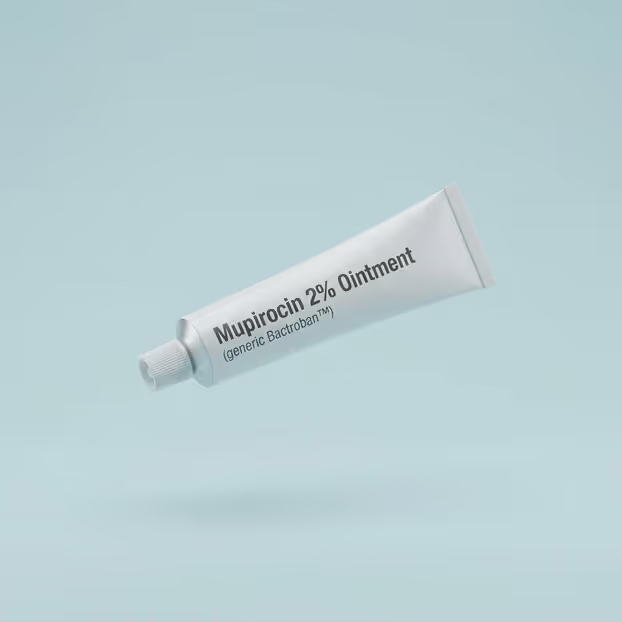
MUPIROCIN
(generic Bactroban™)
Pharmacologic Category: Topical antibiotic
FDA-Approved Uses:
- Superficial Skin Infection
- Folliculitis
- Impetigo
- Secondary skin infection after burn/cut
- Eradication of nasal colonization with methicillin-resistant Staphylococcus aureus in certain settings, depending on formulation
Common Off-Label Uses:
- Nasal decolonization for Staphylococcus aureus or MRSA when directed by a medical provider
- Localized superficial skin infections caused by susceptible bacteria
- Infected eczema or minor wound infection when directed by a medical provider
Typical Adult Dosing:
Superficial Skin Infection, Folliculitis, Impetigo, secondary skin infection after burn/cut
- Folliculitis: Apply to the affected area 3 times per day for 7 days
- Impetigo: Apply to the affected area 2–3 times per day for 5 days
- Secondary skin infection (localized infection after a burn, cut, etc.): Apply to the affected area 2–3 times per day for 7–14 days. If no improvement after 3–5 days, re-evaluate treatment.
Pregnancy: Pregnancy Risk Category B (see Appendix A).
Breastfeeding: Discuss with your doctor if the benefits of taking this medication outweigh the risks.
Notes: For external use only unless using a formulation specifically prescribed for intranasal use. Do not use topical skin formulations in the eyes, nose, mouth, or vagina. Use only on the area prescribed and for the full prescribed duration. Stop use and consult a medical provider if irritation, severe itching, rash, swelling, or worsening infection occurs. Prolonged use may result in overgrowth of nonsusceptible organisms, including fungi.
Common Side Effects: Itching, skin rash/irritation, stinging of skin, nausea, headache, hypersensitivity reactions.
Contraindications: Allergy or hypersensitivity to mupirocin or any component of formulation. Do not use if localized irritation occurs after use. Avoid prolonged use.
Caution: Caution with large open wounds, extensive burns, significant skin breakdown, kidney disease, or use of polyethylene glycol-containing ointment over large surface areas. Avoid contact with eyes. If contact occurs, rinse thoroughly with water. Do not use longer than prescribed, as this may increase risk of resistance or overgrowth of nonsusceptible organisms. Consult a medical provider if symptoms do not improve within 3 to 5 days or worsen during treatment.
Appendix A: Pregnancy, Lactation, and Reproductive Potential Labeling
Purpose of This Appendix
This appendix summarizes how pregnancy, breastfeeding, and reproductive potential information should be interpreted in medication education materials. This appendix is based on the FDA Pregnancy and Lactation Labeling Rule (PLLR) framework for prescription drug labeling.
The FDA no longer uses the pregnancy letter categories A, B, C, D, and X in current prescription drug labeling. These categories were removed because they were considered confusing and overly simplistic and did not adequately communicate medication risk during pregnancy, lactation, or reproductive decision-making.
Current FDA labeling uses narrative risk information to help healthcare providers assess benefit and risk and counsel pregnant patients, breastfeeding patients, and patients of reproductive potential.
8.1 Pregnancy
Under current FDA labeling, the Pregnancy subsection may include the following elements when applicable:
Pregnancy Exposure RegistryIf a pregnancy exposure registry exists for a medication, labeling may include information about the registry and how pregnant patients may enroll or obtain additional information.
Risk SummaryThe pregnancy risk summary provides a concise summary of what is known about medication use during pregnancy. It may include available human data, animal data, and pharmacologic information when relevant.
The risk summary may address whether available data identify a drug-associated risk of major birth defects, miscarriage, or adverse maternal or fetal outcomes.
Clinical ConsiderationsThis section may include clinically relevant information such as:
- Disease-associated maternal and/or embryo/fetal risk
- Dose adjustments during pregnancy and postpartum period
- Maternal adverse reactions
- Fetal/neonatal adverse reactions
- Labor or delivery considerations when applicable
DataThis section may summarize the human and/or animal data supporting the risk summary.
8.2 Lactation
Under current FDA labeling, the Lactation subsection may include the following elements when applicable:
Risk SummaryThe lactation risk summary may describe:
- Whether the medication is present in human milk
- Whether the medication affects the breastfed child
- Whether the medication affects milk production
- Relevant human or animal lactation data, if available
When human lactation data are available, FDA labeling gives priority to human data over animal data. If breastfeeding is contraindicated, that information should be stated first in the risk summary.
Clinical ConsiderationsThis section may include recommendations for minimizing exposure, monitoring the breastfed child, or managing potential adverse reactions when applicable.
DataThis section may summarize available human or animal lactation data, including measured drug levels in milk or infant exposure estimates when available.
8.3 Females and Males of Reproductive Potential
Under current FDA labeling, this subsection may include information about:
- Pregnancy testing
- Contraception
- Infertility
This section is included when a medication may affect pregnancy status, fertility, embryo-fetal development, or reproductive decision-making.
Legacy Pregnancy Letter Categories
The FDA has removed the pregnancy letter categories A, B, C, D, and X from prescription drug labeling. These categories may still appear in older reference materials, older product labels, or legacy clinical documents, but they are not the current FDA labeling standard.
When a legacy category appears in this medication guide, it should be interpreted only as historical labeling language. Current prescribing information should be reviewed for the most up-to-date pregnancy risk summary.
Legacy Category AAdequate and well-controlled studies in pregnant women failed to demonstrate a risk to the fetus in the first trimester, and there is no evidence of risk in later trimesters.
Legacy Category BAnimal reproduction studies failed to demonstrate fetal risk, but there are no adequate and well-controlled studies in pregnant women.orAnimal studies showed an adverse effect, but adequate and well-controlled studies in pregnant women failed to demonstrate fetal risk.
Legacy Category CAnimal reproduction studies showed an adverse effect on the fetus, and there are no adequate and well-controlled studies in humans.orNo animal reproduction studies and no adequate and well-controlled studies in humans are available.
Potential benefits may warrant use in pregnant women despite potential risks.
Legacy Category DThere is positive evidence of human fetal risk based on adverse reaction data from investigational or marketing experience or studies in humans.
Potential benefits may warrant use in pregnant women despite potential risks.
Legacy Category XStudies in animals or humans demonstrated fetal abnormalities.orThere is positive evidence of human fetal risk based on adverse reaction data from investigational or marketing experience or studies in humans.
The risks involved in use during pregnancy clearly outweigh potential benefits.
Standard Pregnancy Language for Medication Sheets
Use one of the following FDA-aligned language structures when drafting medication sheets:
When current labeling provides a clear pregnancy risk statementPregnancy: Current labeling states [insert label-based risk summary]. Consult with a medical provider before use during pregnancy.
When human pregnancy data are limitedPregnancy: Available human data are limited and are not sufficient to establish a drug-associated risk. Use during pregnancy only if the potential benefit justifies the potential risk. Consult with a medical provider.
When medication should be avoided at a specific pregnancy stagePregnancy: Avoid use during [insert trimester/week range] unless specifically advised by a medical provider due to [insert label-supported risk]. Consult with a medical provider.
When medication is contraindicated in pregnancyPregnancy: Use is contraindicated during pregnancy. Do not use if pregnant or planning to become pregnant unless labeling or a medical provider specifically indicates otherwise.
Standard Breastfeeding Language for Medication Sheets
Use one of the following FDA-aligned language structures when drafting medication sheets:
When medication presence in human milk is unknownBreastfeeding: It is not known whether this medication is present in human milk, whether it affects the breastfed infant, or whether it affects milk production. Consult with a medical provider before use while breastfeeding.
When medication is present in human milkBreastfeeding: This medication is present in human milk. The developmental and health benefits of breastfeeding should be considered along with the mother's clinical need for treatment and any potential adverse effects on the breastfed child. Consult with a medical provider.
When medication is expected to produce low infant exposureBreastfeeding: Available data suggest infant exposure through breastmilk is expected to be low. Consult with a medical provider before use while breastfeeding, especially when nursing a newborn or preterm infant.
When breastfeeding is not recommendedBreastfeeding: Breastfeeding is not recommended during treatment with this medication and for [insert duration, if specified in labeling] after the last dose. Consult with a medical provider for individualized guidance.
When breastfeeding is contraindicatedBreastfeeding: Use is contraindicated during breastfeeding. Do not breastfeed during treatment unless current prescribing information or a medical provider specifically indicates otherwise.
Standard Disclaimer
This appendix is for medication education and labeling consistency only. It does not provide medical advice, diagnose any condition, recommend treatment, or replace the full prescribing information, product label, FDA-approved labeling, or guidance from a licensed medical provider. Current prescribing information should be reviewed because pregnancy, lactation, and reproductive-risk information may change as new data become available.
.avif)